
-
$225.00
-
$1,075.00
-
$1,115.00
-
$1,125.00
-
$1,270.00
-
$1,300.00
-
$1,300.00
-
$1,345.00
-
$1,763.00 - $2,393.00
-
$1,485.00
-
$1,668.00
-
$1,845.00
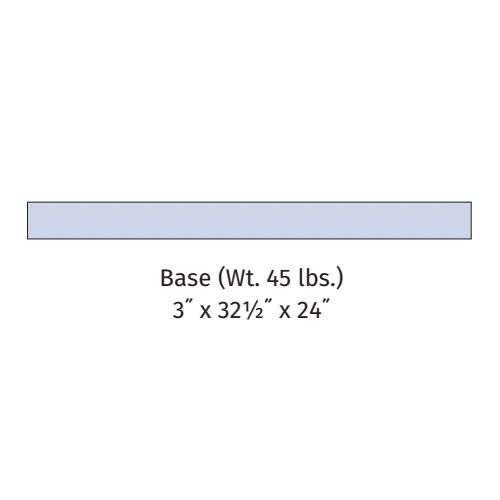

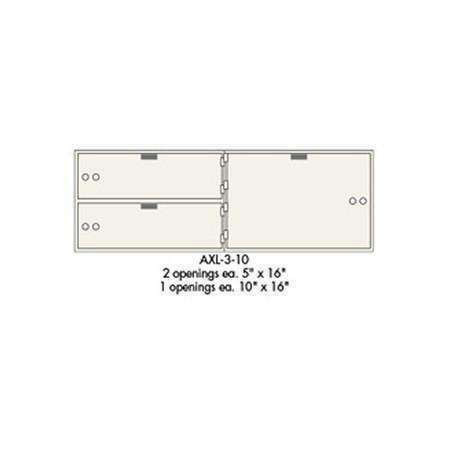


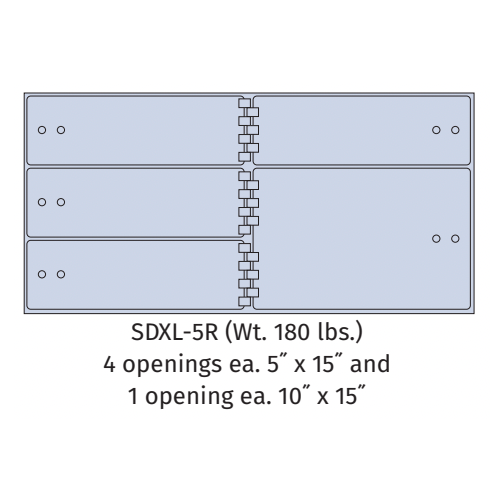


What Are Teller Lockers Used For?
Teller lockers provide separate lockable spaces for cash trays, till floats, documents, and other items used in daily cash handling. They help organize storage by teller, register, or shift so staff can keep prepared trays separate from other holdings.
Choose a configuration around your working routine. Count the compartments needed during shift changes, including spare trays, then identify whether different users need different compartment sizes. The right layout depends on what must fit and who needs access.
Will Your Cash Trays Fit in a Teller Locker?
A cash tray fits a teller locker when the tray, including its lid and handles, clears the opening and fits the usable compartment with room for retrieval. Measure the complete tray before selecting a compartment. Allow room to grip and remove the tray comfortably rather than matching its dimensions exactly to the opening.
Check the configuration diagram for every model. A cabinet with several doors may combine different opening heights. Make sure the quoted opening count provides the particular mix your operation needs.
Can Teller Lockers Be Combined Into a Larger Installation?
Some teller lockers are modular sections designed to connect with compatible units. Bridgeman describes interlocking or pre-drilled connection arrangements for its SDXL modular teller lockers. Confirm the exact series and joining method before expanding an existing installation.
Plan the complete assembled dimensions, any base or support, and access to every door. When fitting lockers inside a safe or vault, check the available interior and door clearance as well as the cabinet dimensions.
How Should You Manage Teller Locker Access?
Manage teller locker access by assigning each compartment to an individual, role or shift and controlling how its keys are issued and returned. Ask about the manufacturer's process for changing access when assignments change.
A compartment lock controls access to that space. Assess the surrounding safe, vault, or secured room separately when planning burglary or fire protection. Do not assume a locker cabinet carries those ratings because a lock is listed or a product is described as bank equipment.
How Do Teller Lockers Differ From Drop Safes?
Teller lockers are useful when staff need an assigned compartment for a tray or other stored items. A drop safe serves a different workflow: employees can make deposits without opening the main retrieval door.
For individually allocated storage beyond teller operations, compare safe deposit box configurations. Browse the teller lockers above or contact our team with your tray dimensions, compartment count, and installation space.