-
SoCal
Model: EVRH-Depository
SoCal Bridgeman EVRH 1 Hour Fire Rated Depository Safe
Fire Rating: 1 HourSize: 28" H x 21" W x 23.5" D$3,225.00 -
SoCal
Model: ER-2426RC
SoCal Bridgeman TL-15 Rated ER-2426RC Depository Receiving Chest
Burglary Rating: TL-15Size: 24" H x 26" W x 24" D$5,425.00 -
Was:$6,449.00$5,693.22
-
SoCal
Model: ER-3026RC
SoCal Bridgeman TL-15 Rated ER-3026RC Depository Receiving Chest
Burglary Rating: TL-15Size: 30" H x 26" W x 24" D$5,849.00
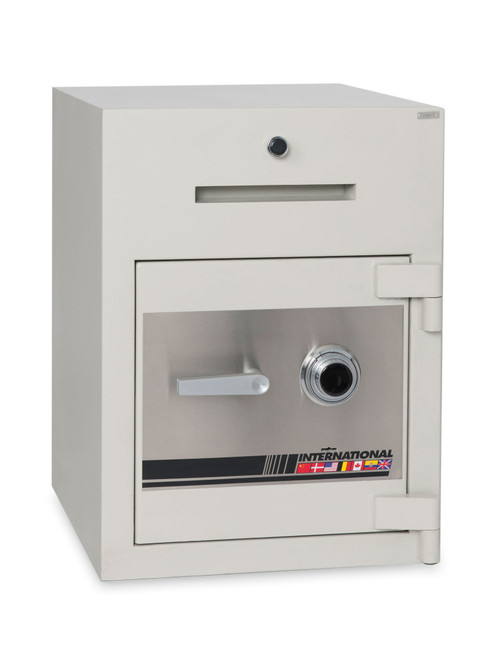

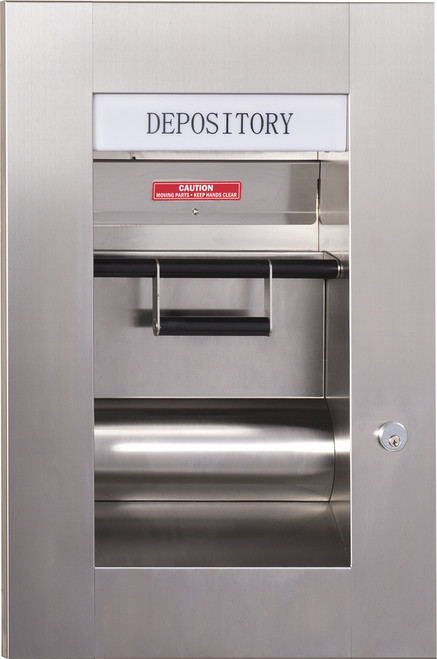

How Does a Drop Safe Fit Cash Handling?
A drop safe lets staff deposit cash, checks, or suitable envelopes without opening the main storage door. It can support a routine in which several employees make deposits while only designated people retrieve them.
Choose the safe around your actual deposit process: what goes in, how often it is deposited, and when it is collected. The safe should work with your cash-counting and recordkeeping procedures so deposits remain easy to identify and reconcile.
Which Drop-Safe Deposit Opening Do You Need?
Choose a drop-safe opening large enough for your largest filled envelope or deposit bag to pass through the slot or hopper. Check the usable deposit dimensions rather than the external size of the safe. A bag that fits inside the storage compartment may still be too large for the hopper.
Front-loading designs need space to operate the deposit drawer or door. Top-loading rotary designs need clearance above. Rear-loading and through-wall arrangements require a layout that suits both the deposit side and the retrieval side. Confirm the exact configuration before planning installation.
Do You Need Separate Drop-Safe Storage Compartments?
Choose separate drop-safe compartments when reserve cash or trays need different access from incoming deposits. Check the dimensions and locking arrangement of each compartment individually. Two doors do not necessarily mean two identical storage areas.
Plan capacity for the maximum deposits held between collections, including envelopes and bags. Leave the space the manufacturer requires for deposits to fall freely, and establish a collection routine that avoids overfilling.
Which Drop-Safe Security and Lock Features Should You Check?
For a drop safe, check construction, any burglary rating, deposit-protection features and the lock arrangement for each compartment. If a model describes anti-fishing features, check the manufacturer's specification rather than assuming every drop opening has the same protection.
Choose the main-door lock for the people managing retrieval. Confirm individual codes, audit records, or time-delay functions if your business needs them; these features depend on the selected lock. Keep access credentials under the control of authorized staff.
Are Drop Safes Suitable for Fire Protection or Overnight Storage?
A drop safe needs a separate fire rating for fire protection, and suitability for overnight holdings depends on its security rating and your storage requirements. For overnight holdings, assess the exact model's security rating and any requirements set by your insurer or security adviser. A deposit mechanism alone does not establish the protection required for high-value storage.
If the main need is storing valuable inventory rather than accepting frequent deposits, compare TL-rated safes. Before ordering a drop safe, confirm anchoring, counter clearance, and access for both deposits and retrieval. Contact our team with your bag dimensions and intended location for help narrowing the selection.